


 3D Printers
 MAKERBOT
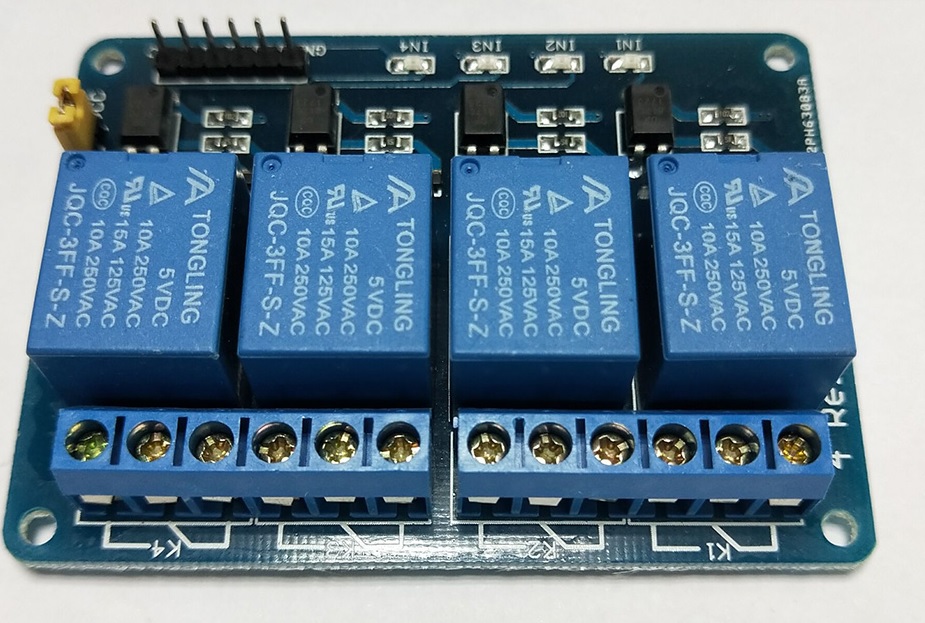 Relay
Relay 3D Printer Parts
 Nozzle
 Filament
 ToboFill
 eSun
eSun Ducho Filla
 Linear Guide Rail
 Timing Belt, Pulley and wheel
 Lead Screw
 Extruder Kit
 Display
 Cooling Fan
 Teflon Tube
 Other Sensor
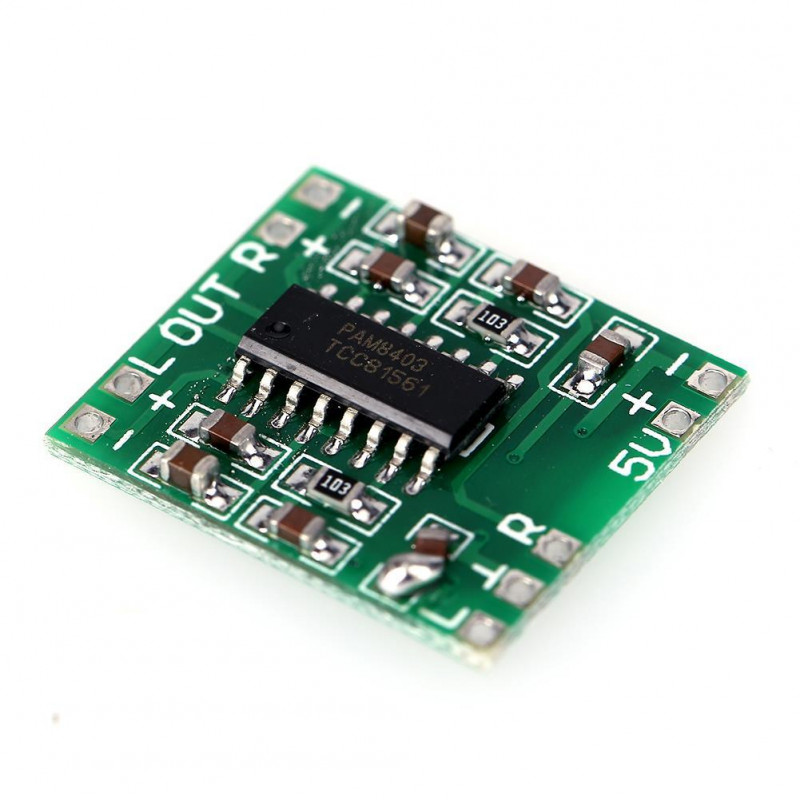 Audio Module
 Micro-Controller
 Arduino
 Display
 Linear Guide Rail
 Filament
 Wheel
Wheel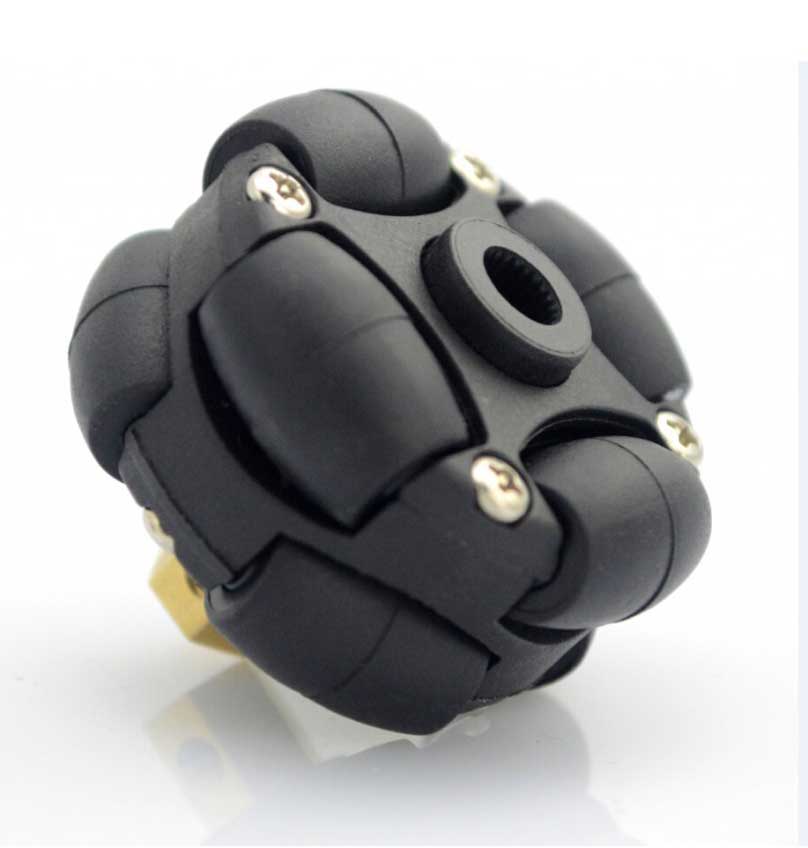 Omni Wheels
 BO Motor Wheel
 Lead Screw
 Bolts and Screws
 Nut
Nut Bearing
 Linear Bearing
 Propeller
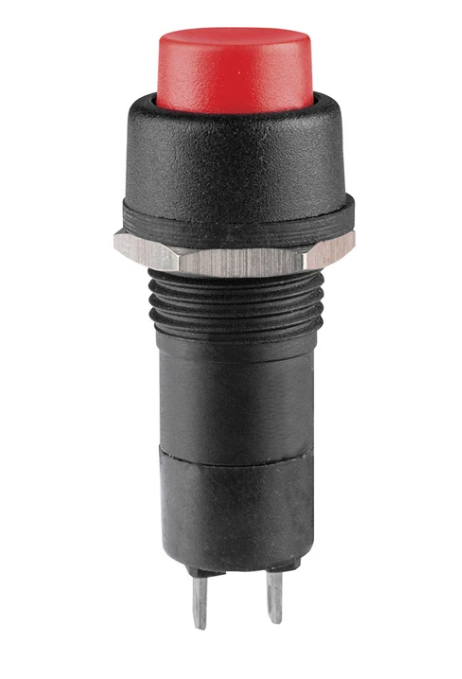 Switch
 Battery
 SOLENOID VALVE
 Hub Motor
 DC Motors
 Motor without Gearbox
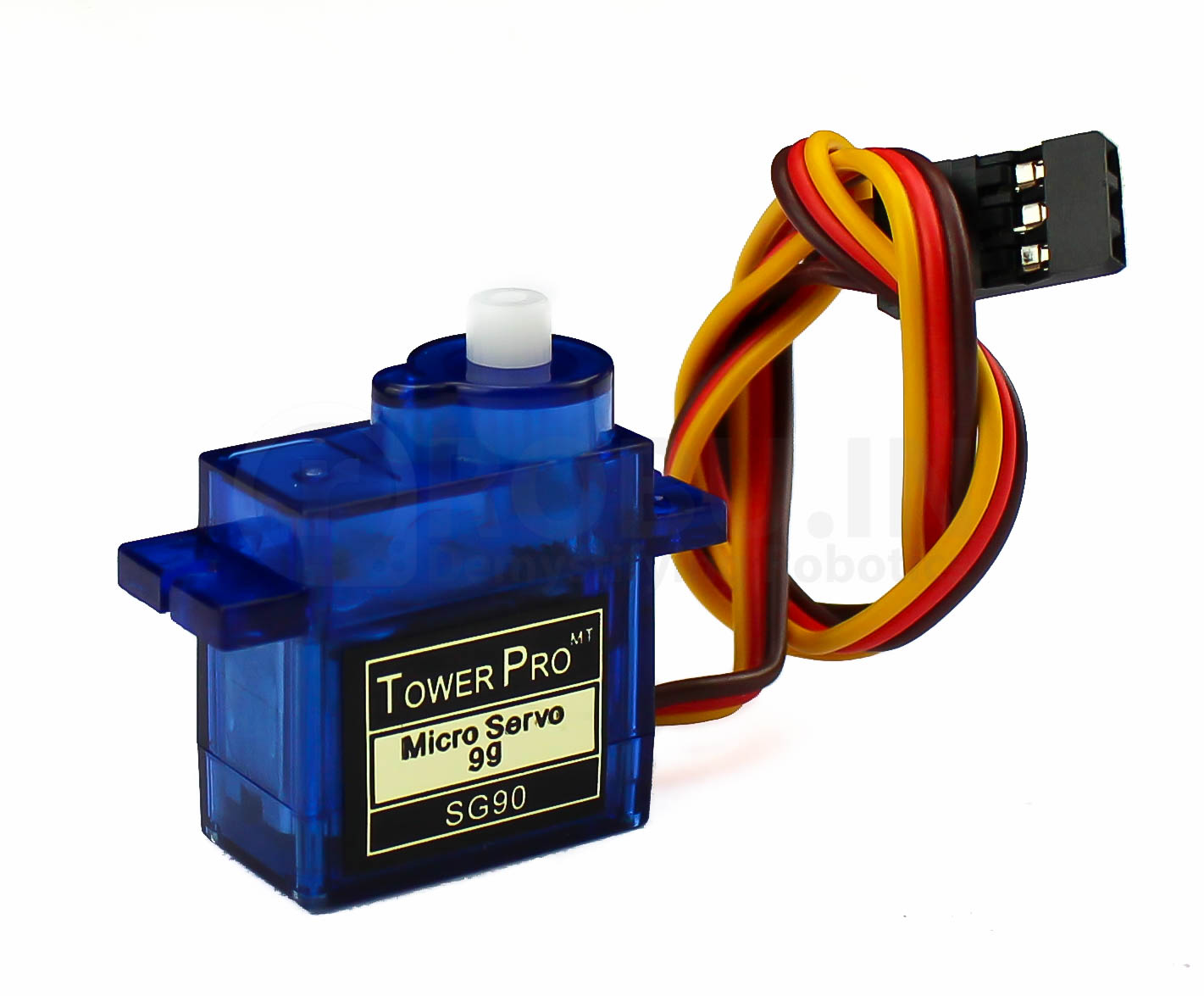 Servo Motors
 Stepper Motor
 Motor Driver
 DC Motor Driver
 Communication
 Data Transfer
 Wire
Wire Range Sensor
 Ultra Sonic
 Lidar
Lidar Biometric
 Finger Print Sensor
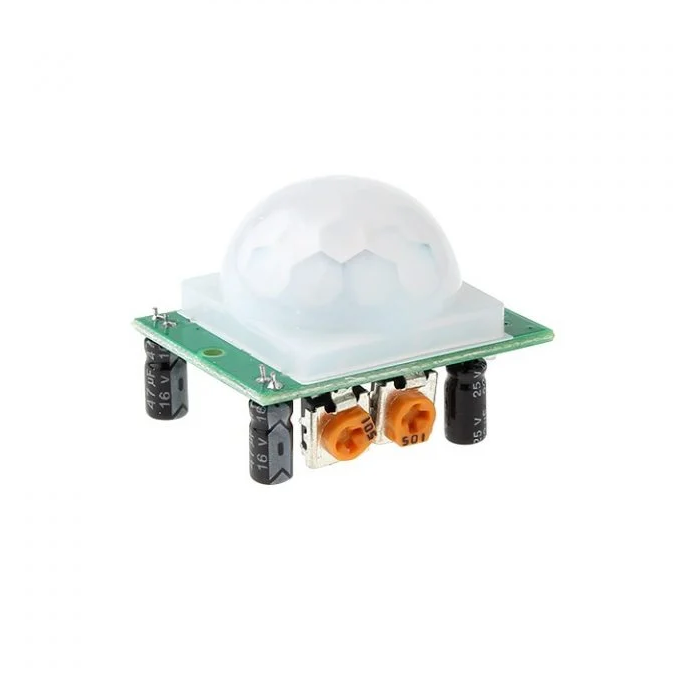 Optical Sensor
 Other
Other LED bulb
 LED Inverter Bulb
 SMPS
SMPSRobotics in a Nutshell, and Major Areas of Robotics

What is Robotics?
Here is my understanding of Robotics.
“Robotics is an interdisciplinary branch of engineering which deals with the conception, design, simulation, and manufacturing of a robotic system. ”
Robotics is the field of technology that focuses on designing, building, and programming machines called robots to perform tasks automatically or with minimal human intervention. These machines combine mechanical engineering, electronics, sensors, artificial intelligence, and software to interact with the physical world. From industrial manufacturing lines to smart service robots, robotics is transforming how work is done across many sectors.
Robots are designed to improve efficiency, accuracy, safety, and productivity. They can perform repetitive tasks, operate in hazardous environments, assist humans in daily activities, and even learn from data using AI technologies.
Major Areas of Robotics
- Industrial Robotics: Used in factories for tasks like assembly, welding, painting, and material handling. Industrial robots improve production speed and maintain consistent quality in manufacturing.
- Service Robotics: Service robots assist people in environments such as hospitals, hotels, offices, and homes. Examples include reception robots, cleaning robots, delivery robots, and healthcare assistants.
- Educational Robotics: Educational robots help students learn STEM concepts, programming, and problem-solving through hands-on experimentation and practical learning.
- Medical Robotics: These robots assist doctors in performing precise surgeries, rehabilitation therapies, and hospital automation, improving patient care and medical accuracy.
- Autonomous and AI Robotics: Robots powered by artificial intelligence and advanced sensors can navigate environments, make decisions, and interact intelligently with humans.
Things to Learn in Robotics Engineering to Build a Robot
Building a robot requires knowledge from multiple fields of engineering and technology. Robotics is an interdisciplinary domain that combines mechanical design, electronics, programming, and artificial intelligence to create machines that can sense, think, and act. Anyone interested in robotics engineering should focus on developing the following key skills.
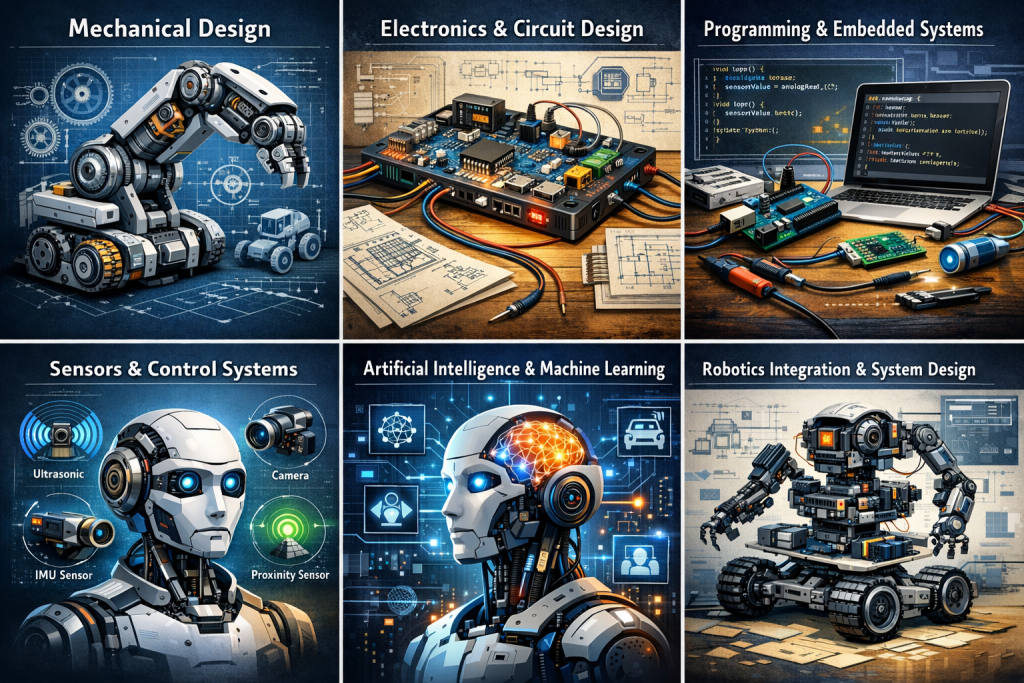
1. Mechanical Design
The physical structure of a robot is designed using mechanical engineering principles. This includes understanding robot frames, joints, gears, motors, and mechanisms that allow a robot to move and interact with its environment.
2. Electronics and Circuit Design
Robots rely on electronic components such as microcontrollers, sensors, actuators, and power systems. Learning how to design circuits, connect components, and manage power distribution is essential for building functional robots.
3. Programming and Embedded Systems
Programming enables robots to perform tasks and respond to inputs. Knowledge of languages such as C, C++, Python, and Arduino programming helps control motors, process sensor data, and implement robot behaviors.
4. Sensors and Control Systems
Sensors allow robots to detect their surroundings and gather data. Understanding how to work with sensors like ultrasonic sensors, cameras, IMUs, and proximity sensors is important for navigation and interaction.
5. Artificial Intelligence and Machine Learning
Modern robots use AI to make smarter decisions. Learning computer vision, machine learning, and autonomous navigation allows robots to recognize objects, understand environments, and operate with minimal human control.
6. Robotics Integration and System Design
A robot is a combination of multiple subsystems. Robotics engineers must understand how to integrate mechanical parts, electronics, and software into a complete and functional robotic system.
Conclusion
As robotics technology continues to advance, it is becoming an essential part of industries, education, and everyday life. Innovations from companies like Toboids Automata are helping make robotic solutions more practical, accessible, and efficient across different sectors.
By learning the core areas of robotics engineering, individuals can build the foundation needed to design and develop intelligent robotic systems. Robotics is not just about machines—it is about creating technologies that enhance human capabilities and drive the future of automation and innovation.