


 3D Printers
 MAKERBOT
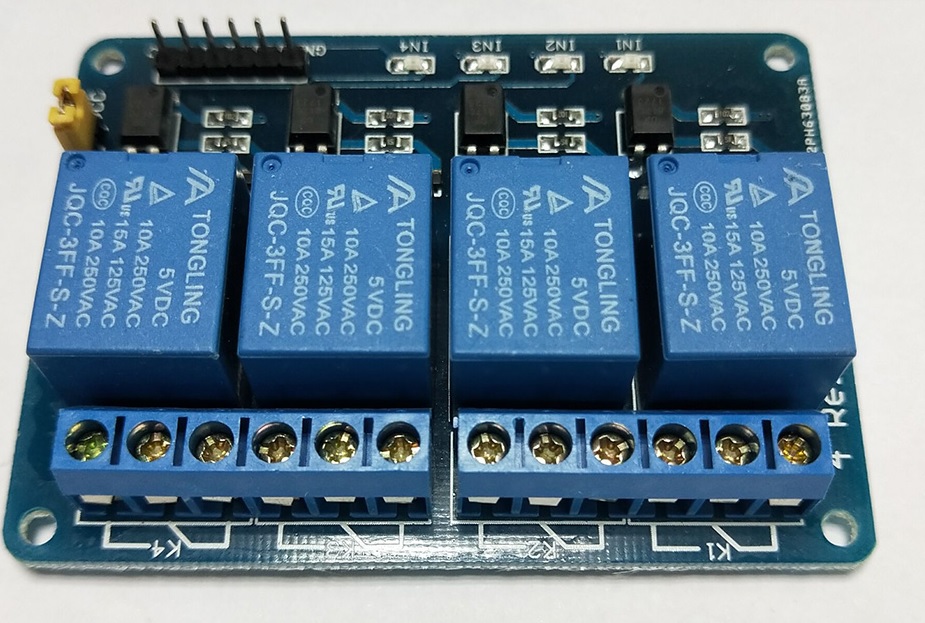 Relay
Relay 3D Printer Parts
 Nozzle
 Filament
 ToboFill
 eSun
eSun Ducho Filla
 Linear Guide Rail
 Timing Belt, Pulley and wheel
 Lead Screw
 Extruder Kit
 Display
 Cooling Fan
 Teflon Tube
 Other Sensor
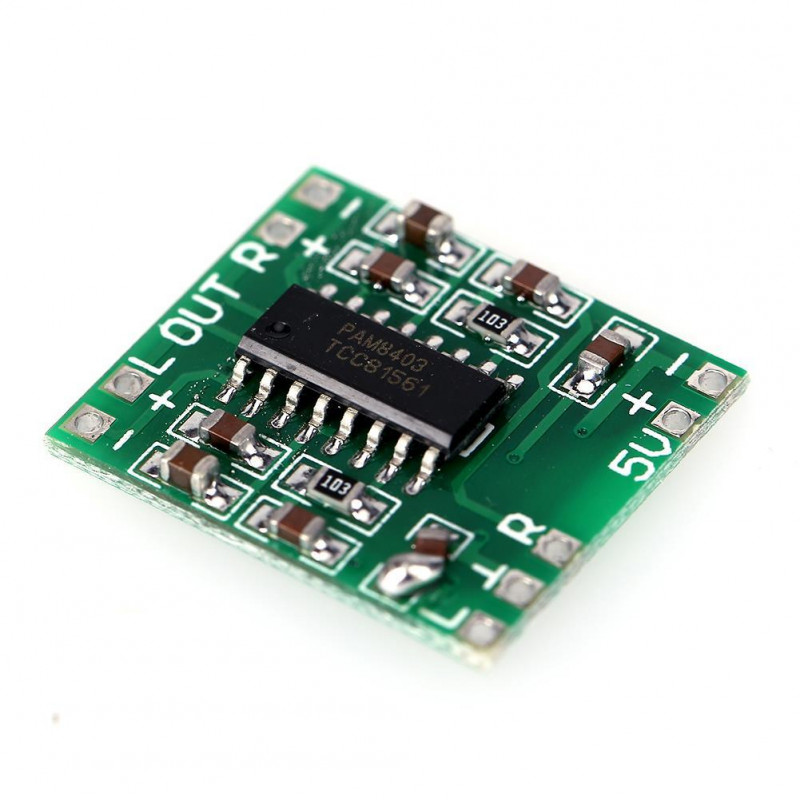 Audio Module
 Micro-Controller
 Arduino
 Display
 Linear Guide Rail
 Filament
 Wheel
Wheel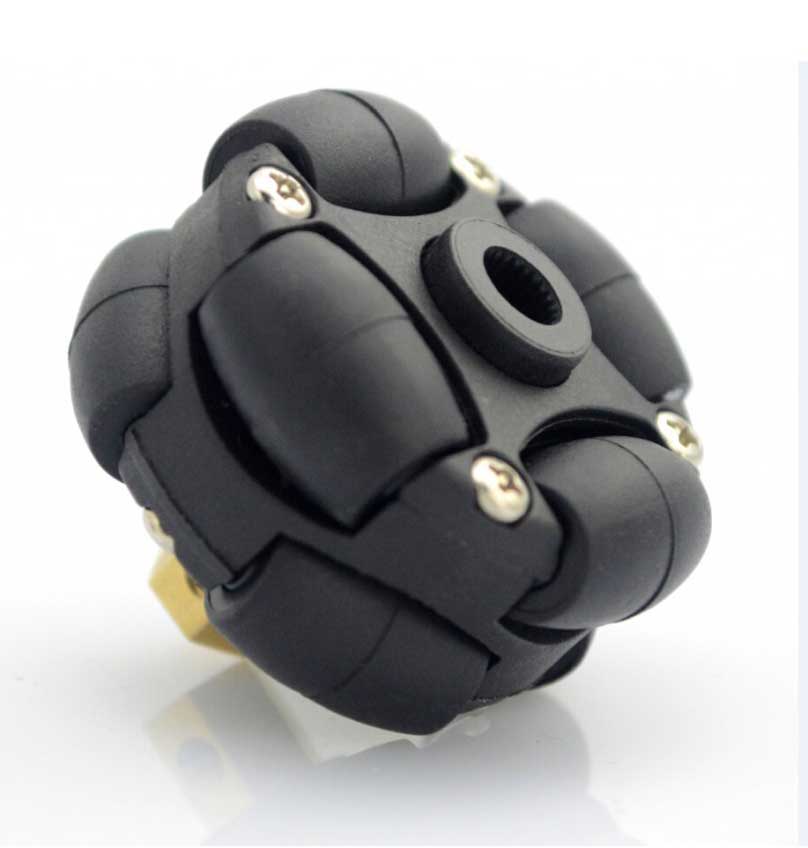 Omni Wheels
 BO Motor Wheel
 Lead Screw
 Bolts and Screws
 Nut
Nut Bearing
 Linear Bearing
 Propeller
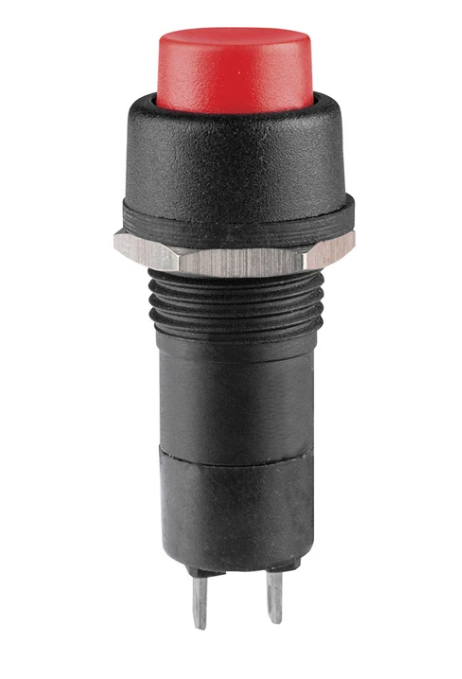 Switch
 Battery
 SOLENOID VALVE
 Hub Motor
 DC Motors
 Motor without Gearbox
 Servo Motors
 Stepper Motor
 Motor Driver
 DC Motor Driver
 Communication
 Data Transfer
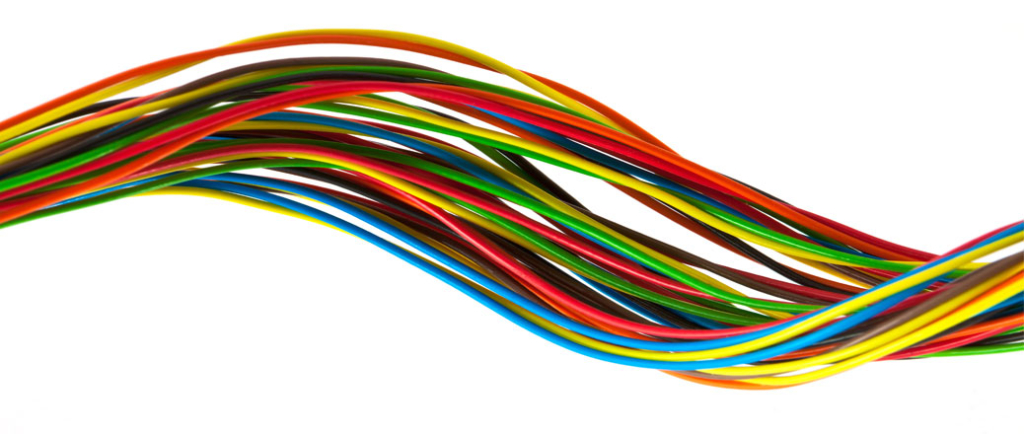 Wire
Wire Range Sensor
 Ultra Sonic
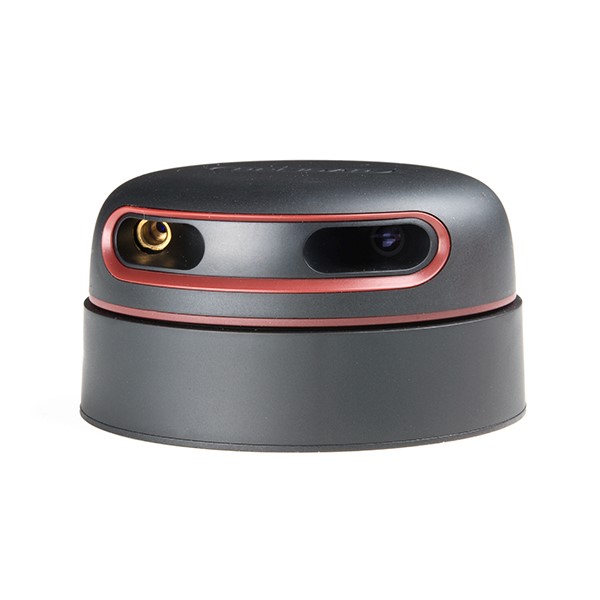 Lidar
Lidar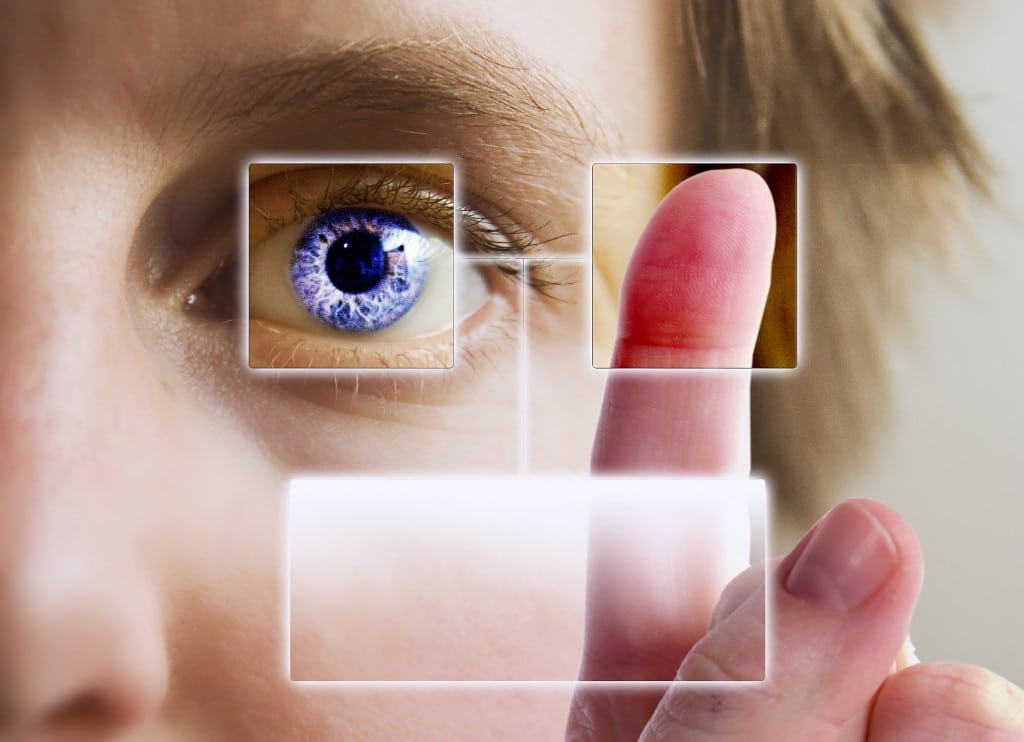 Biometric
 Finger Print Sensor
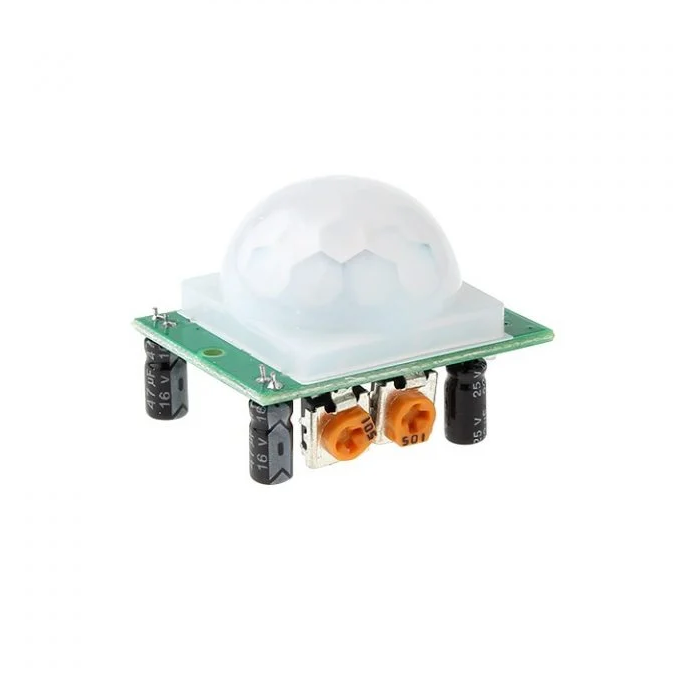 Optical Sensor
 Other
Other LED bulb
 LED Inverter Bulb
 SMPS
SMPSPhysical AI & Advanced Humanoids: The Rise of Intelligent Machines in the Real World

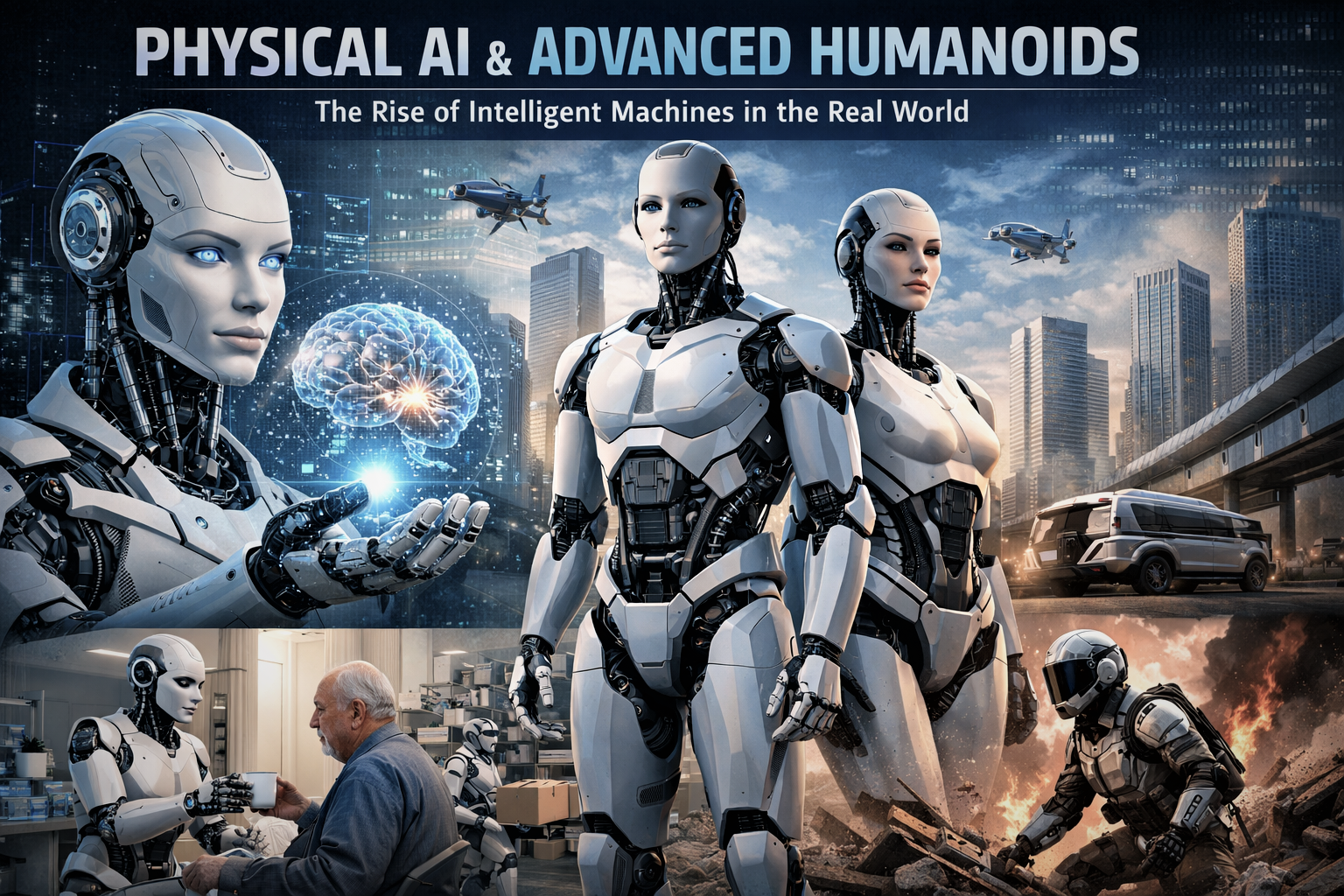
Artificial Intelligence is no longer limited to computer screens, data servers, or intelligent assistants. Not only is it able to integrate multiple tasks in an automated manner transformation is under way, one involving intelligence embodied in physical form. This trend, referred to as Physical AI is also redefining robotics and helping to create a new breed of intelligent humanoid robots able to function in the world in conjunction with human beings. Industries are shifting towards automation through flexibility, adaptability, and human-centric solutions
for which Physical AI powered humanoids are turning out to be one of the most hopeful technologies in this decade.
The Physical AI
Traditional AI models are developed to scrutinize data, find patterns, or make predictions for digital environments. Physical AI takes it to another level. Physical AI encompasses artificial intelligence with such as robots, that would feed the ability of machines to perceive, decide, and act, unstructured environments.
An important characteristic for a Physical AI system is that it should be able to continuously sense the world that surrounds it, understand the environment, take actions, time, and perform these actions safely using motors and actuators. Unlike conventional robots that are designed primarily for industrial applications and require heavy investments and Follow fixed programs, Physical AI Systems learn from interaction and improve through experience. In essence, Physical AI is able to enable machines not only to think but also act intelligently in the physical world.
Why Humanoid Robots Matter:
Humanoid robots are developed in the way of human beings, with two arms, two legs, hands, and a torso. The decision to do this is not about imitation but about functionality. The planet on which we reside provides for us with an environment designed for through the adoption of a humanoid appearance, robots would be able to easily coexist within current surroundings without needing drastic and this affects infrastructure. More importantly, humanoid robots make human-robot collaboration intuitive. They can understand their own actions and anticipate what others can do with them naturally, rather than with traditional industrial machines.
The Intelligence Behind Advanced Humanoids
Modern humanoid robots are not mere mechanical devices. They are highly complex fusion of perception, control, learning, and interactive technologies. These robots employ highly advanced perception technology that integrates concepts of vision, depth, force, and feedback, and audio input in order to perceive their surroundings. The AI combines this input in order to construct an environmental model in real-time, enabling it to identify objects, as well as navigate through interpret human actions.
Locomotion and balance are also of equal importance. For this, humanoids have to employ complicated algorithms for balancing, along with inertia sensors and feedback mechanisms for force, to walk, climb stairs, tackle disturbances, or walk on uneven surfaces. Because of this ability, they are not limited to laboratory setups.
The other major breakthrough is manipulation. With multi-degree-of-freedom hands and touch sensing, humanoids are able to manipulate objects of varying shapes and sizes and even carry out precise tasks. This is made possible by machine learning, which helps improve these abilities by requiring less programming. Behind these skills lies learning. Learning is achieved by reinforcement learning or imitation of human demonstrations, and simulation-to-real-world transfer, humanoid robots can learn a skill faster than a robot of any other class because ever before. What took months of programming could be learned in days or even hours.
Applications in the Real World in Development
The influence of Physical AI Humanoids has already been noticed in various fields. For instance, in the industrial and service robots industries, companies such as Boston in warehouse environments, humanoid robots are tested for material handling, assembly assistance and logistics activities. They are quite adaptable to different layouts and are therefore appropriate for facilities where complete automation is not possible.
In healthcare applications, humanoid robots have been considered for their use in rehabilitation assistants, patient assistants, and for purposes of elderly care. Their human-like interaction helps build trust, especially in sensitive settings where a lack of trust can be dangerous for patients in comfort and communication are essential.
Related service sectors, like retail, hotels, and transportation, are slowly introducing humanoids into their operations customer interaction, support, and everyday maintenance and support work. These robots are always while ensuring consistent performance.
In high-risk tasks such as disaster response, nuclear inspection, or space exploration, a humanoid robot would robots provide a safe alternative for the absence of human presence. The capability of using human tools makes them are especially precious in emergency situations.
How Physical AI Changes Robotics
They can carry out repeat tasks in a controlled environment. Physical AI Humanoids can work in a deterministic environment. This is where they contrast, are designed for adaptability. They can generalize skills, react appropriately in unexpected situations, and multiple tasks simultaneously using a single hardware component. Notably, this represents an evolution from automation to smart help.
Instead of replacing humans, humanoid robots have been designed to complement humans by dealing with physically demanding tasks or risks when humans concentrate on creativity, management, administration, supervision, and decision-making.
The Road Ahead
The development of AI foundation models, sensors, actuators, and battery technology is leading to growth in design of humanoid robots. With decreasing costs and advancing levels of sophistication, commercial large-scale deployment is already a realistic prospect. We can look forward to humanoid robots that are able to improve their learning rate and communicate more naturally in the coming years: function smoothly and unobtrusively within everyday settings. Physical AI is sure to have a defining influence on future of work, healthcare, and human machine collaboration.
Conclusion
Physical AI and intelligent humanoid robots are a paradigm shift in artificial intelligence the field introduced more than half a century ago the latest stage in physical action, these machines are filling a gap that exists between digital intelligence and reality.
As this technology matures, Physical AI humanoids will not only transform industries but also redefine how humans and machines coexist. The age of intelligent machines walking among us is no longer science fiction, it is rapidly becoming reality.
Image Source: AI-generated using ChatGPT (OpenAI)
ARTHANA P K
ROBOTICS ENGINEER
TOBOIDS AUTOMATA Pvt. Ltd.